CURI – RESEARCH FIELDS
DISCOVER OUR RESEARCH FIELDS
4P MEDICINE
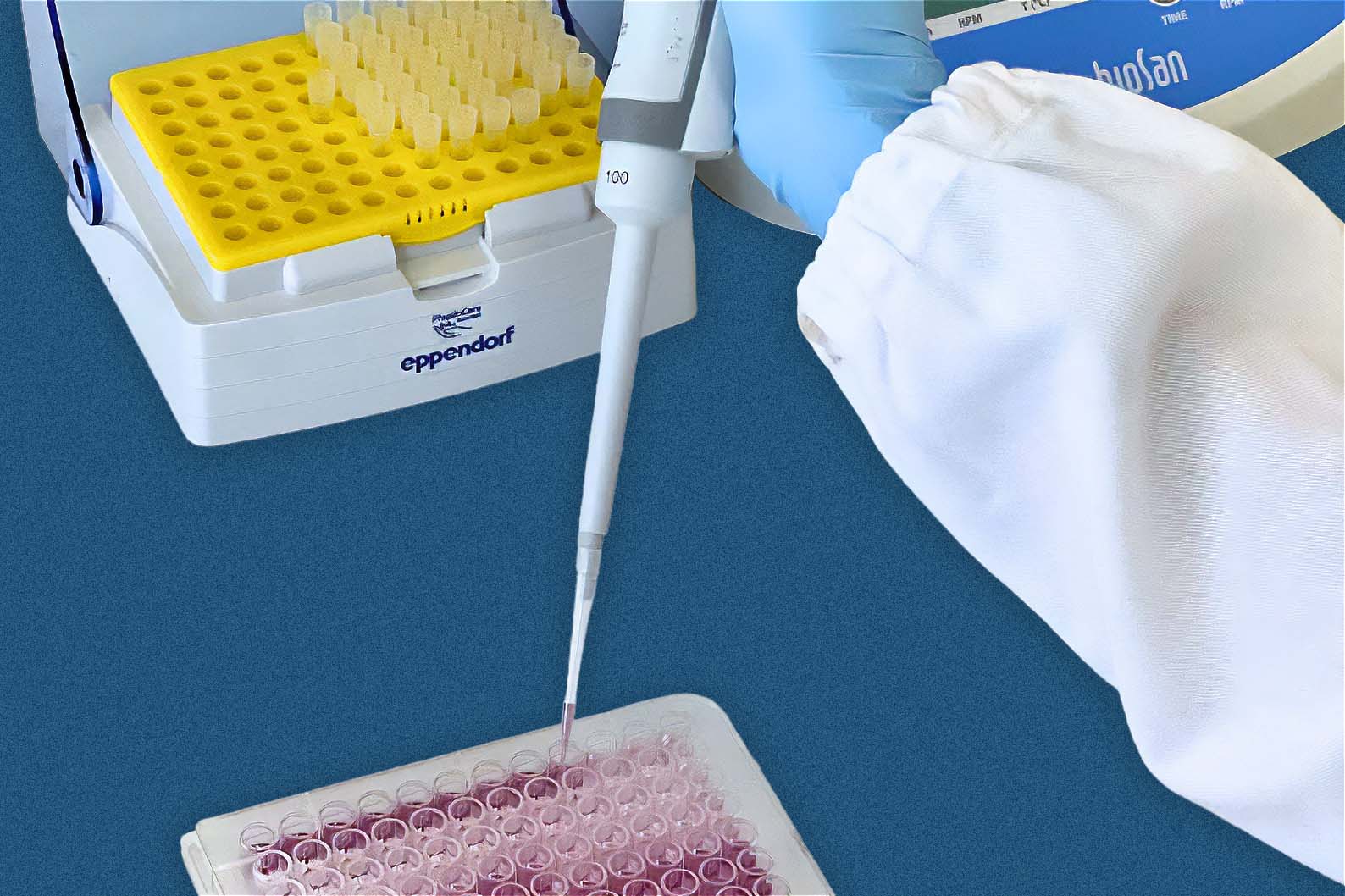
The “4P Medicine” approach is a healthcare model built around four key pillars: prevention, prediction, personalization, and participation. Unlike traditional medicine, which often intervenes only after symptoms have appeared, this model adopts a proactive and holistic approach, viewing the individual and their health as complex biological systems that continuously evolve through equally complex interactions with the environment.
CURI EXPERTISE OFFERED IN 4P MEDICINE:
PROTEOMICS
Proteomics helps identify proteins in body fluids and tissues that indicate specific physiological functions or the presence, stage, or progression of a disease. It can also be used to assess a patient’s response to a specific therapy, allowing treatment optimization and improved efficacy. By analyzing the proteome of diseased cells or tissues, researchers can gain insights into the molecular mechanisms involved in pathological processes, paving the way for the identification of new diagnostic biomarkers and therapeutic targets.
METABOLOMICS
Metabolomics can identify biomarkers, help understand the mechanisms underlying diseases, and predict drug response. Through the analysis of metabolic profiles, this technique enables early diagnosis and supports personalized therapeutic strategies. Integrating metabolomic data with other omics datasets such as transcriptomics and proteomics provides powerful information about an individual’s overall physiological state and disease risk.
LIPIDOMICS
Lipidomics is one of the most important omics disciplines in 4P Medicine, since the human body is made up of cells — microscopic compartments bounded by lipid membranes that determine their structure and interactions with other cells and their environment.
This discipline can identify biomarkers, help understand physiological functions and disease mechanisms, and predict drug responses.
By analyzing lipid profiles in biological fluids and tissues, lipidomics can be used to predict disease risk, enable early diagnosis, and support personalized and precision therapies.
Lipid imbalances (dyslipidemias) may arise from genetic defects (primary or familial forms) or metabolic diseases such as diabetes and obesity, as well as cardiovascular, inflammatory, and cancerous conditions (secondary forms). Other forms can result from therapeutic interventions or unhealthy lifestyles.
EXPOSOMICS
Exposomics integrates big data from multiple omics techniques and measurements to assess the impact of environmental factors — such as pollutants, climate change, drugs, diet, and lifestyle — on human health. It enables integrated analysis of the factors that contribute to the risk of chronic diseases (e.g., cancer, cardiovascular, and neurodegenerative diseases). Exposomics also identifies early biomarkers of exposure and individual susceptibility, facilitating targeted preventive interventions.
DEVELOPMENT OF DIAGNOSTIC PROTOCOLS
The development of omics-based diagnostic protocols is a crucial step in 4P Medicine.
These protocols must be able to select, accurately measure, and interpret omics biomarkers, while accounting for technical, biological, and environmental variables.
They are based on population studies where sufficiently large and representative groups enable the association of omics big data with specific risk or disease diagnoses, allowing their transfer into clinical practice for risk prediction and early diagnosis.
Reliable omics techniques and procedures are the foundation of personalized medicine, enabling effective and safe risk stratification, and supporting the development of new strategies for prevention and clinical/therapeutic monitoring.
Their transfer from research to clinical practice will foster their wide adoption in healthcare systems, enhancing collaboration among biologists, physicians, bioinformaticians, and other professionals involved in multidisciplinary health approaches.
DRUG DISCOVERY AND DEVELOPMENT
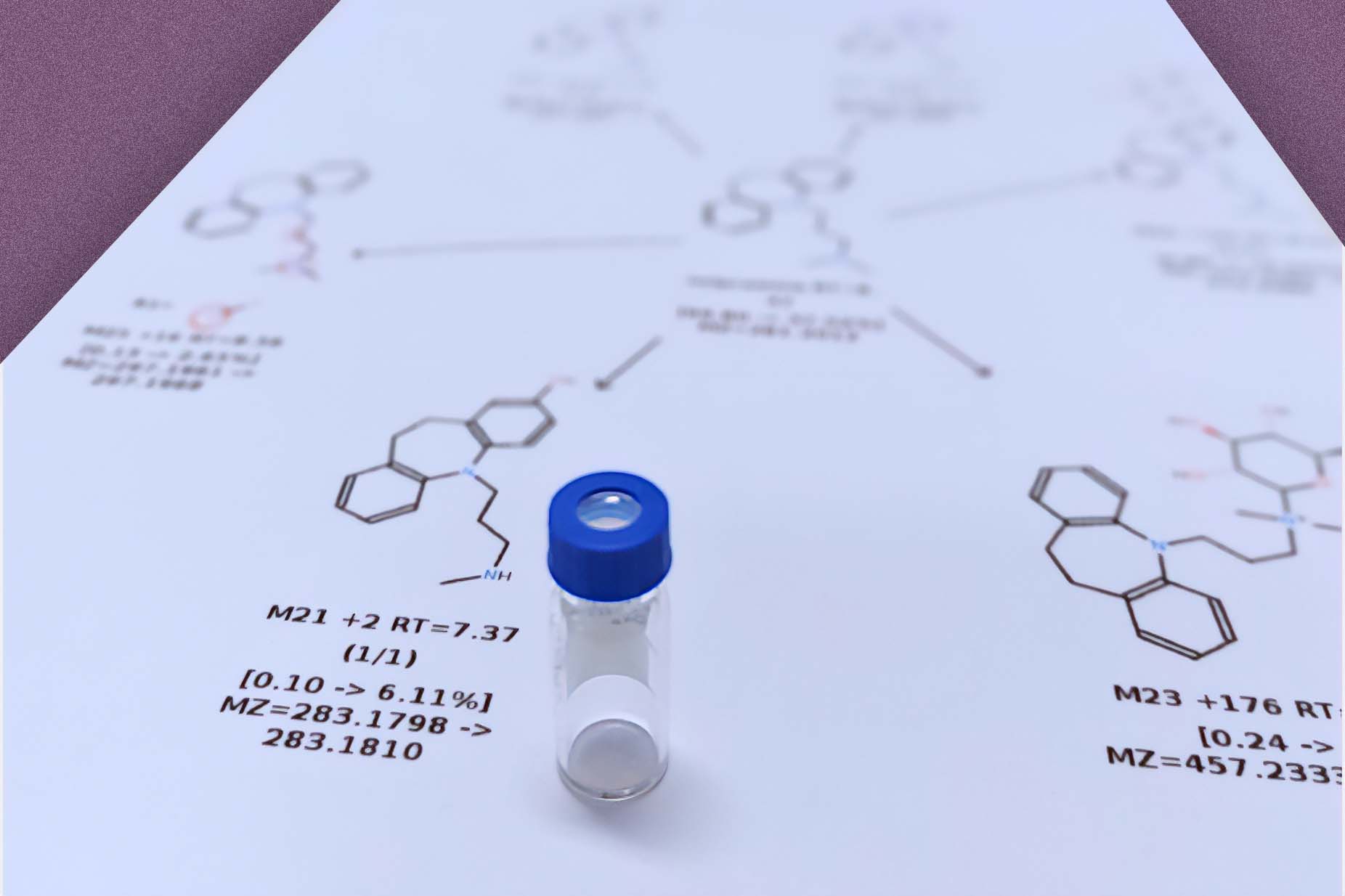
Omics sciences and technologies have a profound and transformative impact on drug discovery. They provide a systemic and detailed view of biological and pathophysiological processes, enabling a more targeted, efficient, and personalized approach to the discovery and development of new drugs.
Omics sciences are instrumental in identifying new therapeutic targets and approaches, understanding pathogenetic mechanisms, and in drug repurposing and screening. CURI also provides expertise and protocols for analyzing and studying the chemical–physical, chemical stability, and metabolic stability properties of compounds with biological activity and pharmaceutical relevance.
EXPERTISE OFFERED BY CURI IN DRUG DISCOVERY & DEVELOPMENT:
PROTEOMICS
Proteomics enables the identification of proteins involved in the onset or progression of a disease, making them potential targets for pharmacological interventions. It can be used to assess the efficacy of a drug and to identify possible side effects by analyzing variations in protein expression in response to treatment.
METABOLOMICS
Metabolomics can be applied to assess drug toxicity and pharmacokinetics, helping to accelerate drug development. It supports the identification of new pharmacological targets and the personalization of treatments. By analyzing metabolic changes following drug administration, metabolomics makes it possible to evaluate drug efficacy and detect potential side effects.
LIPIDOMICS
Lipidomics can also be used to evaluate drug toxicity and pharmacokinetics, contributing to faster development. It helps identify new drug targets and personalize treatments. By analyzing lipid variations after drug administration, lipidomics enables the assessment of efficacy and identification of possible side effects.
CHEMICAL STABILITY
Chemical stability studies are essential for both drug safety and therapeutic efficacy. The degradation or decomposition of an active ingredient can generate toxic or inactive products, or, at best, lead to a loss of therapeutic activity. Furthermore, the study of chemical degradation (e.g., due to temperature or light) provides key information for the optimal preservation of drugs or products under pharmaceutical development.
METABOLIC STABILITY
Metabolic stability studies are fundamental for optimizing a drug’s duration of action: an unstable molecule is rapidly degraded, losing therapeutic effectiveness. Drug metabolism may produce toxic or reactive compounds; therefore, identifying potentially harmful metabolites is crucial for both pharmaceuticals and other compounds humans are exposed to.
Predicting human metabolism during the design phase and conducting in vitro assays (e.g., on hepatic microsomes or hepatocytes) provide valuable insights before in vivo studies and clinical trials. Regulatory agencies (FDA, EMA) require metabolic stability data for drug approval.
PHYSICOCHEMICAL PROPERTIES
A poorly soluble active ingredient cannot be effectively absorbed by the body. Lipophilicity affects membrane permeability: highly lipophilic molecules may accumulate in tissues, while overly hydrophilic ones might not cross biological barriers. Permeability is crucial for drug transport across membranes, and low permeability may limit bioavailability even in the presence of good solubility. Applications: drug development, ADME profile optimization, and formulation strategy design.
NUTRIGENOMICS AND NUTRACEUTICS

Nutrigenomics is a discipline derived from genomic science that specifically studies the interaction between diet (or specific foods and nutrients), the human genome, and health.
Nutraceutics examines the beneficial health effects of food-derived substances, combining concepts of nutrition and pharmaceutical science. In practice, it focuses on how foods or their components can be used to prevent or treat diseases, as well as to improve overall wellbeing.
CURI EXPERTISE IN NUTRIGENOMICS AND NUTRACEUTICS:
PROTEOMICS
Proteomics enables the identification of specific proteins or groups of proteins (biomarkers) whose expression and/or molecular and functional interactions are associated with the pathophysiological impact and health effects of diet, foods, or specific nutritional, health-promoting, or toxicological components.
These biomarkers can be used to monitor an individual’s health status, identify potential issues, or evaluate the efficacy of nutraceutical products and dietary supplements. Functional proteomics allows the study of how nutrients in foods interact with human proteins, influencing their activity and functions both individually and within systemic protein networks.
METABOLOMICS
Metabolomics can be used to analyze food composition, identify bioactive compounds, and assess the quality and safety of food products. It plays a key role in understanding the impact of diet on metabolism and health, paving the way for the development of functional foods and personalized, precision nutrition recommendations (4P Nutrition).
Together with proteomics, metabolomics applied to nutrition is one of the most powerful tools in nutrigenomics and its translation into the evaluation of dietary and nutrient effects on phenotype and human health.
LIPIDOMICS
Lipidomics has numerous applications in the nutritional and food sectors. For example, it can be applied to assess nutritional status, identifying lipid deficiencies or excesses and providing valuable insights into an individual’s health condition. Nutrilipidomics combines lipidomics and nutrition, studying how dietary lipids influence metabolism and the composition of cell membranes. Through lipidomic analysis, personalized dietary plans can be created to meet specific lipid needs, optimizing the intake of particular lipid classes and bioactive lipids to improve health and wellbeing.
Examples include studies on dietary intake, metabolism, and the physiological role of fat-soluble vitamins; free and esterified fatty acids (such as essential polyunsaturated omega-6 and omega-3 forms); cholesterol and its animal- and plant-derived metabolites; and many other lipid species.
EXPOSOMICS
Understanding the exposome can guide the selection of functional foods and nutraceuticals designed to counteract the negative effects of specific environmental exposures—for example, using antioxidants to reduce oxidative stress caused by air pollutants. Other applications include studying drug–food interactions and investigating microbiome variations—particularly in the gut—in response to dietary and lifestyle-related environmental factors, nutrition-associated diseases, and therapies.
Exposome research can help identify factors influencing the onset and progression of chronic diseases such as obesity, diabetes, and cardiovascular disorders, enabling the development of targeted dietary interventions for their prevention and management.
AGRI-FOOD SECTOR

The agri-food sector encompasses all activities related to the production, processing, and distribution of food products. It is a vast and diverse field that includes agriculture, livestock, fisheries, and the food and beverage industries. This sector is essential for both the national and global economy. In the agri-food sector, omics technologies are used to enhance the quality, safety, and sustainability of food products—from production to processing and distribution for human consumption.
CURI EXPERTISE IN THE AGRI-FOOD SECTOR:
PROTEOMICS
Proteomics helps understand plant responses to environmental stress and mechanisms of disease resistance, facilitating the development of crops that are more resilient to environmental challenges and pathogens. It can be used to identify potential allergens in foods and to ensure food safety by detecting pathogens or contaminants. The study of plant and animal proteomes can reveal strategies to optimize growth and productivity, leading to more efficient food production and improved nutritional quality.
METABOLOMICS
This approach allows for the assessment of the quality, safety, authenticity, and nutritional value of agri-food products, as well as the study of interactions between plants, microorganisms, and the environment. In the agri-food sector, metabolomics can be employed to optimize plant characteristics such as flavor and commercial success, and to detect food adulteration.
LIPIDOMICS
Lipidomics enables detailed analysis of the lipid composition of various foods—such as oils, meats, fruits, and vegetables—providing valuable information on their quality and nutritional value. Lipid analysis can also be used to monitor food deterioration processes, helping to identify factors affecting shelf life and to develop strategies to extend it (freshness and shelf-life control).
ENVIRONMENTAL ISSUES AND CLIMATE CHANGE

Exposure to external agents, pollution, and climate change can have significant effects on plant and animal organisms. Monitoring environmental issues and climate change is essential to understand their impact and to implement effective mitigation measures.
CURI EXPERTISE IN ENVIRONMENTAL ISSUES AND CLIMATE CHANGE:
PROTEOMICS
Proteomics can be used to study the impact of environmental factors such as pollutants on organisms, contributing to toxicity assessment and ecosystem health monitoring.
METABOLOMICS
Metabolomics can be employed to monitor environmental quality by detecting alterations in the metabolites of indicator organisms (bioindicators) living in specific habitats. For example, metabolic profiles of algae or mollusks can be analyzed to assess the health of aquatic ecosystems.
It can also be used to study how organisms respond to climate changes such as rising temperatures or varying precipitation, helping predict how ecosystems and species will adapt or be affected.
Additionally, metabolomics can be applied to evaluate the impact of air, water, or soil pollutants on organisms and ecosystems.
LIPIDOMICS
Lipidomics can be used to study the effects of pollutants—such as heavy metals, pesticides, and hydrocarbons—on the lipid composition of cell membranes in aquatic and terrestrial organisms.
The lipid composition of marine organisms such as microalgae and bacteria can serve as an indicator of biodiversity and ecosystem health. Changes in lipid composition can reflect environmental variations such as temperature, nutrient availability, or pollutant presence.
Lipidomics can help identify mechanisms of adaptation and response to environmental stress in different species. It can also be applied to study the biodegradation of organic compounds (e.g., hydrocarbons) by microorganisms.
EXPOSOMICS
Exposomics—the study of the exposome—has become an increasingly relevant scientific field, allowing the assessment and monitoring of the effects of environmental exposures on health and ecosystems.
It helps identify and quantify exposure to specific environmental pollutants and assess their impact on human health. Exposomics can also be used to evaluate the effectiveness of environmental policies aimed at reducing pollution and mitigating climate change by monitoring exposure variations and related health outcomes.